
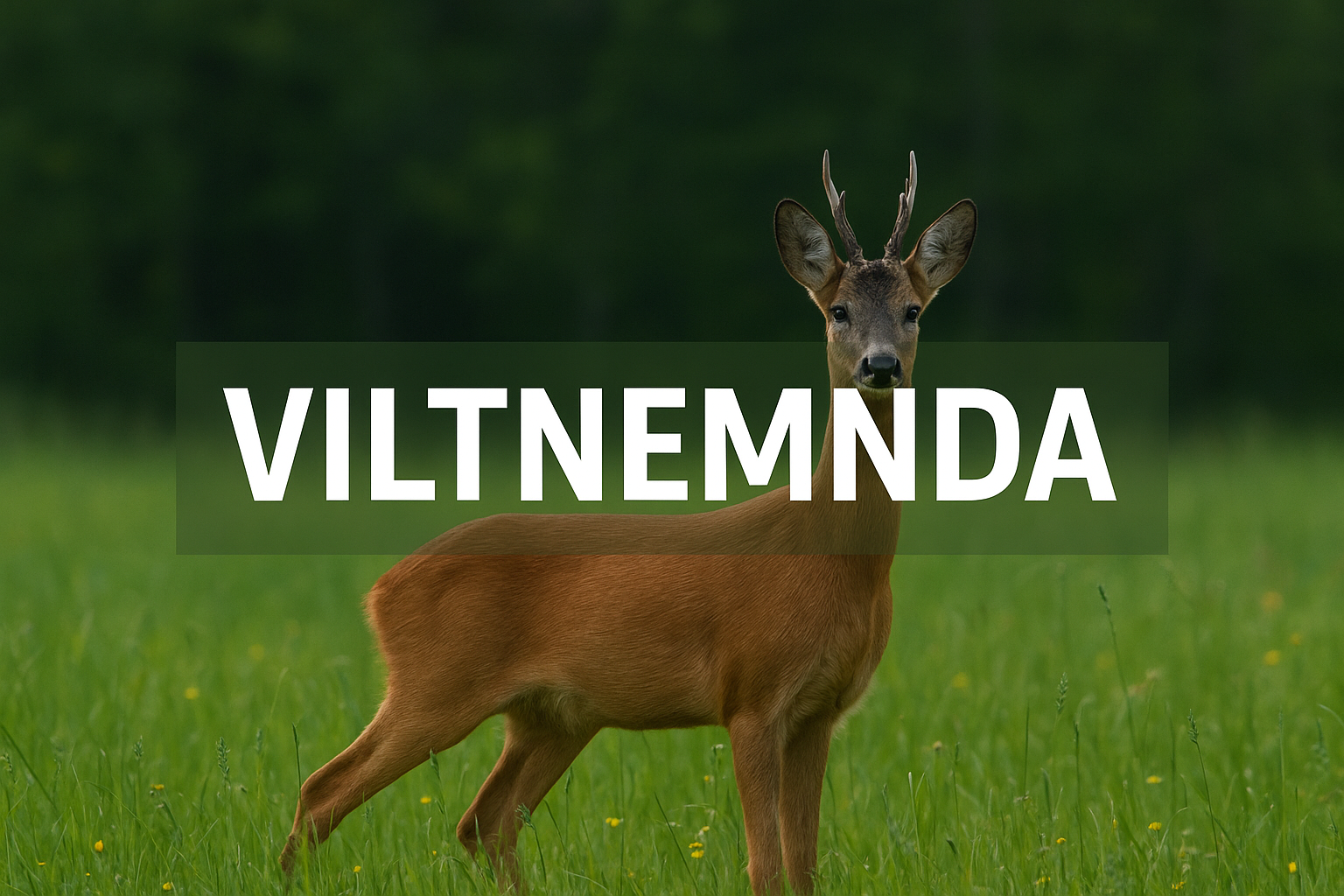
Viltnemnda is a term that has gained attention online, especially among people interested in wildlife management, environmental governance, and local regulatory systems. Many users search for viltnemnda to understand what it means, how it works, and why it matters. This article explains viltnemnda in clear and simple language, making it easy to understand even if you are new to the topic.
As interest in nature conservation and wildlife control grows, terms like viltnemnda naturally attract more searches. Understanding this concept helps people better appreciate how wildlife is protected and managed responsibly.
What Is Viltnemnda?
Viltnemnda refers to a local wildlife management authority, commonly associated with Scandinavian systems, particularly Norway. It is a committee or board responsible for overseeing wildlife-related decisions at the municipal level. The main goal of viltnemnda is to balance wildlife conservation with public safety, agriculture, and environmental sustainability.
Viltnemnda plays an important role in ensuring that wildlife populations remain healthy while reducing conflicts between animals and humans. This includes managing hunting regulations, wildlife protection measures, and population control policies.
Why Viltnemnda Is Important
Wildlife does not manage itself. Without structured oversight, animal populations can either decline rapidly or grow beyond safe levels. Viltnemnda exists to prevent these extremes. It helps maintain harmony between nature and human activity.
One of the key reasons viltnemnda is important is its local approach. Decisions are made based on regional needs, environmental conditions, and community concerns. This localized governance ensures smarter, more practical solutions.
Main Responsibilities of Viltnemnda
Viltnemnda has several core responsibilities that directly impact wildlife management and public safety. These responsibilities often include approving hunting permits, monitoring wildlife populations, and responding to wildlife-related incidents.
In many areas, viltnemnda also advises local governments on environmental policies. It works closely with conservation experts, hunters, landowners, and public authorities to ensure fair and lawful practices.
Viltnemnda and Wildlife Conservation
Conservation is at the heart of viltnemnda’s mission. Protecting wildlife does not only mean preventing hunting. It also means ensuring animals have suitable habitats, food sources, and safe migration paths.
Viltnemnda helps regulate hunting seasons to avoid overhunting. It also supports ethical hunting practices that respect animal welfare and ecological balance. This approach ensures long-term sustainability instead of short-term gain.
How Viltnemnda Handles Human-Wildlife Conflict
As cities expand, encounters between humans and wildlife increase. Animals may wander into residential areas, damage crops, or pose safety risks. Viltnemnda steps in to manage these situations carefully.
Instead of reacting aggressively, viltnemnda focuses on prevention and controlled solutions. This may involve relocation, population control, or educational programs for the public. The goal is to protect both people and animals.
Viltnemnda and Hunting Regulations
Hunting is a regulated activity in regions where viltnemnda operates. The committee ensures hunting remains legal, ethical, and sustainable. This includes setting quotas, approving licenses, and monitoring compliance.
By regulating hunting, viltnemnda helps prevent illegal activities and protects endangered species. It also ensures that hunters follow safety rules, which reduces accidents and environmental damage.
Why Is Viltnemnda Being Searched Online?
The growing interest in viltnemnda comes from increased awareness about environmental responsibility and wildlife protection. People want to understand how wildlife decisions are made and who is responsible for them.
Students, researchers, hunters, and environmental activists often search for viltnemnda to gain accurate information. Clear and trustworthy content helps answer these questions and reduces confusion caused by misinformation.
Viltnemnda in Modern Environmental Systems
Modern environmental management requires cooperation between science, policy, and local communities. Viltnemnda represents this cooperation at a local level. It combines expert knowledge with practical experience to make informed decisions.
As climate change affects wildlife behavior and habitats, the role of viltnemnda becomes even more critical. Adaptive strategies are necessary to respond to changing conditions, and local committees are best positioned to act quickly.
Is Viltnemnda a Government Authority?
Viltnemnda typically operates under municipal or regional government frameworks. While it may not function as a national agency, it holds official authority within its jurisdiction.
Its members often include experienced professionals with knowledge of wildlife, hunting laws, and environmental policy. This structure ensures decisions are lawful, informed, and community-focused.
Future of Viltnemnda
The future of viltnemnda looks increasingly important as environmental challenges grow. Urbanization, climate change, and biodiversity loss require smarter wildlife governance. Viltnemnda’s local approach offers flexibility and effectiveness.
As public awareness increases, viltnemnda may also expand its educational role. Informing communities about wildlife behavior and safety helps reduce conflict and build respect for nature.
Conclusion
Viltnemnda plays a vital role in wildlife management, conservation, and public safety. It represents a balanced approach to protecting nature while addressing human needs. As interest in environmental responsibility continues to grow, viltnemnda will remain an essential part of sustainable governance.
Understanding viltnemnda helps people appreciate how thoughtful decision-making can protect ecosystems and communities at the same time. Reliable information is key, and continued awareness ensures better outcomes for both wildlife and society.
