
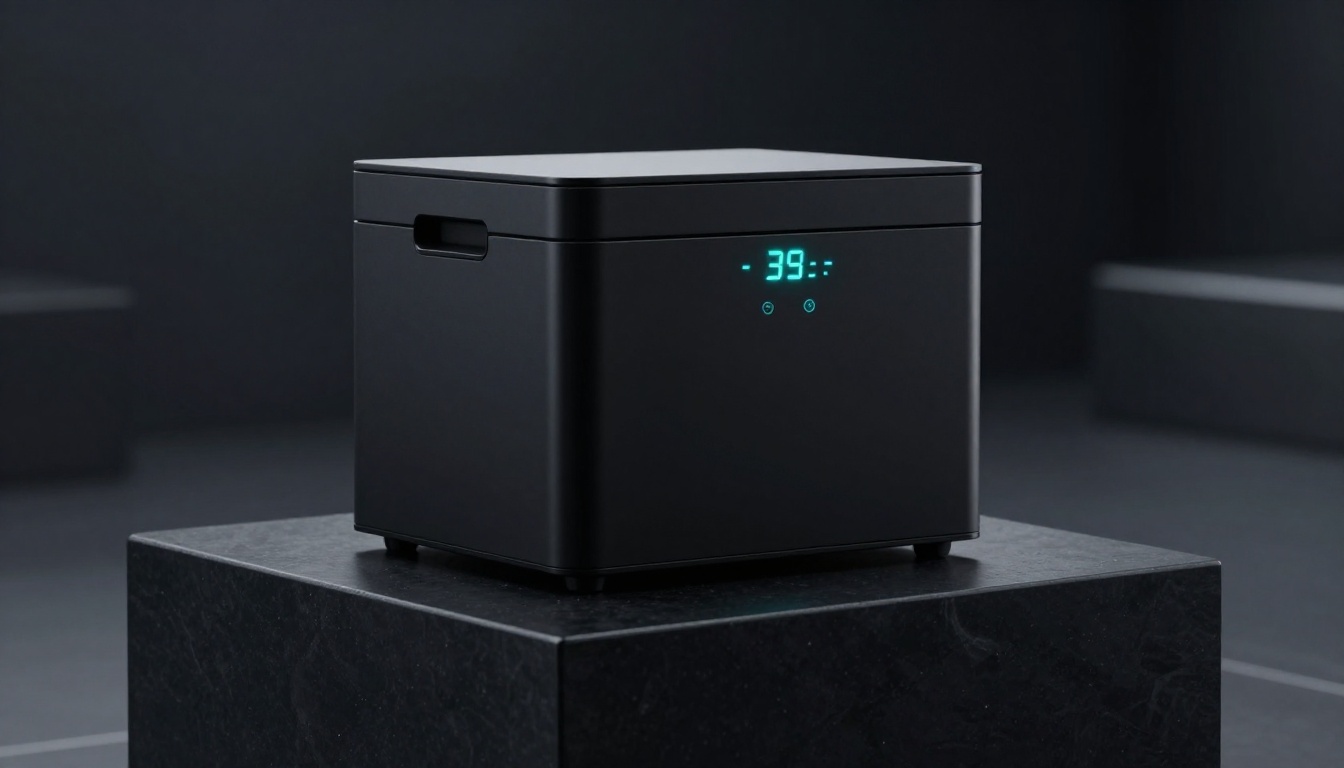
In a world full of flimsy storage options that crack under pressure, the Slylar Box stands out as a tough, reliable choice for keeping your stuff safe. You know how regular plastic bins warp in the sun or rust in the rain? This box fixes that with its smart design built for real-life demands.
A Slylar Box is a high-end storage container made from a special polymer mix that resists wear better than standard plastic or metal. It locks tight, holds up outdoors, and protects valuables from thieves and the elements. Think of it as your garage’s best friend, but way stronger.
By the end of this guide, you’ll grasp the tech behind it, see how it fits your needs at home or work, learn easy setup steps, and get tips to make it last years. We’ll cover everything from the materials to add-ons that boost its power. Ready to upgrade your storage game?
Section 1: Understanding Slylar Box Technology and Composition
The Slylar Box isn’t just another bin—its build comes from clever material choices that make it premium yet practical. You get strength without the weight of metal, and flexibility that beats brittle plastics. This section breaks down why it’s worth the investment for anyone tired of replacing cheap storage.
Material Science: What Makes Slylar Different?
Slylar uses a unique blend of reinforced polymers, mixing tough fibers with flexible resins for a shell that bends without breaking. Unlike basic plastics that shatter on impact or metals that corrode over time, this composite shrugs off drops, scrapes, and spills. Tests show it handles chemicals like oils and acids without pitting or softening, perfect for messy jobs.
To check if a Slylar Box from a reseller is real, look for the etched logo on the lid’s underside and a certification sticker inside. Scratch tests won’t harm it, but fakes might fade or crack under mild pressure. Always buy from trusted sellers to avoid knockoffs that fail fast.
This tech keeps the box light—under 50 pounds for large models—yet sturdy enough for heavy loads up to 500 pounds. Homeowners love how it stacks without wobbling, and pros rely on its grip in tight spaces.
Key Durability and Weather Resistance Metrics
Slylar Boxes work in temps from -40°F to 150°F, so they thrive in freezing winters or scorching summers without warping. Impact tests, like those from ASTM standards, rate them at over 200 foot-pounds of force before denting—think dropping a toolbox from waist height with no damage. UV protection blocks sun fade for at least 10 years, keeping colors sharp.
In coastal spots, where salt air eats metal, Slylar shines. One user in Florida stored boat gear through hurricanes; the box stayed sealed while others flooded. Rain? Its gaskets block water even in downpours, with IP65 ratings for dust and splash proofing.
These specs mean less worry for outdoor setups. You save time and cash by skipping constant fixes on weaker options.
Sustainable Aspects and Lifecycle Management
Slylar’s polymers recycle at end-of-life, breaking down into new products without toxic waste. The company aims for 50-year lifespans in mild use, backed by low degradation rates under lab stress. No heavy metals mean it meets EPA green standards for storage units.
Users report boxes looking new after a decade outdoors, cutting replacement needs. Recycle centers accept them whole, or you can return old ones for credits on fresh buys. This eco-angle appeals to folks who want tough gear without harming the planet.
Pair that with easy repairs—like swapping seals—and you have a product that grows with your needs, not against them.
Section 2: Core Applications and Versatility of Slylar Boxes
Now that you know the build, let’s see how Slylar fits real scenarios. From backyard sheds to factory floors, it adapts to keep things organized and safe. This versatility makes it a go-to for busy people across setups.
Residential Security and Outdoor Storage Solutions
At home, Slylar Boxes guard patio cushions, tools, or bikes from rain and prying eyes. The thick walls and hidden hinges deter break-ins better than chain-link fences. One family in Texas used it for holiday decor; it stayed dry through floods while neighbors’ stuff molded.
Mount it on decks for quick access, or bury it half-way for hidden cache. Locks pair with hasps that take standard padlocks, adding peace of mind. You won’t stress about kids or pets knocking it over—its base grips surfaces firm.
For gardeners, it holds seeds and pots safe from frost. Overall, it turns chaotic yards into neat zones without ugly eyesores.
Commercial and Industrial Inventory Protection
In business, Slylar protects gear on job sites, like wiring or paints from dust and theft. It meets OSHA rules for secure chemical holds, with vents that prevent buildup. A construction firm in the Midwest stored rebar samples inside during blizzards; no rust or loss.
Transport it on trucks—the stackable design saves space and stays put over bumps. For warehouses, line them up for inventory that lasts. Logistics pros note it cuts damage claims by 30% in rough hauls.
Even in food service, it shields supplies from pests and moisture, keeping ops smooth.
Specialized Models: Customization and Configurability
Slylar offers sizes from 2×2 feet to 8-foot giants, fitting garages or big lots. Add shelves for tools, or vents for air flow in humid areas. Double doors swing wide for easy reach, ideal for wheelchairs or tight spots.
Pick colors to match your space, or go clear panels for quick checks. Hinged lids lift one-handed, and modular clips let you link units. Tailor it for boats with drain plugs, or offices with keyless entry.
This flexibility means one box type serves many roles, saving you from multiple buys.
Section 3: Installation, Maintenance, and Long-Term Care
Setting up your Slylar Box right ensures it performs for years. Skip shortcuts to avoid cracks or shifts. Here, you’ll find steps that make the process simple and secure.
Step-by-Step Installation Guidelines (Ground Mount vs. Elevated)
For ground mount, clear a flat spot and level the soil with a tamper. Dig shallow anchors if windy—use concrete blocks for hold. Tools needed: shovel, level, drill, and bolts.
Place the box and check plumb with a bubble level.
Mark and drill holes for anchors.
Secure with screws, then test stability by pushing sides.
Elevated setups, like on decks, bolt to wood frames. Use lag screws for grip, and add rubber pads to dampen vibes. Avoid soft ground; it can tilt over time.
Both ways take under an hour for one person. Always wear gloves to protect hands from edges.
Best Practices for Cleaning and Chemical Resistance Testing
Wipe Slylar with mild soap and water—avoid bleach, which dulls the finish. For tough grime, use vinegar sprays; they cut grease without harm. Test new cleaners on a corner first to spot reactions.
Skip abrasives like steel wool; they scratch the surface. Hose it down yearly to flush dirt from seals. In chemical zones, rinse after exposure to keep integrity.
Schedule checks every six months: inspect hinges for rust and seals for gaps. This routine keeps it looking sharp and working right.
Warranty Details and Troubleshooting Common Issues
Slylar backs it with a 10-year limited warranty on material defects, but not misuse like overloading. Cosmetic dings? Not covered, but structural fails get free parts. Register online for full perks.
If the lid sticks after heavy use, loosen hinges with lubricant—WD-40 works fine. Seals compressing? Replace them yearly; kits cost under $20. Warping from heat? Rare, but move to shade if temps top 140°F.
Contact support for odd creaks; most fixes are DIY. This coverage builds trust in your buy.
Section 4: The Slylar Box Ecosystem: Accessories and Integration
Beyond the box, extras turn it into a full system. Mix and match to fit your setup perfectly. These add-ons extend value without breaking the bank.
Security Enhancements: Locking Mechanisms and Alarm Integration
Bolt on heavy brass padlocks—Slylar’s hasps fit up to 1/2-inch shacks. For high stakes, add internal brackets for motion alarms that link to your phone. One rancher in Montana wired a siren; it scared off coyotes and thieves.
Chain it to posts for extra tie-down. Smart locks with apps let you check remotely. These steps make your Slylar a fortress on wheels or fixed.
Peace comes from knowing your gear stays put, rain or shine.
Climate Control Integration (Venting and Insulation)
Passive vents let air flow to fight mold, crucial in damp garages. For cold snaps, snap in foam panels that boost insulation to R-5 values. Recall the polymer’s temp range? These keep internals steady.
In hot zones, reflective covers cut heat gain by 20%. Pair with hygrometers inside for monitoring. Users in Arizona swear by them for tool storage—no more seized bolts.
This setup matches the box’s tough build, extending gear life inside.
Internal Organization: Shelving, Racking, and Drawer Systems
Clip-in shelves divide space for bins or files, using every inch. Racks hold long items like pipes without sag—rated for 100 pounds per level. Drawers slide smooth for small parts, with locks to boot.
Mix plastic dividers for versatility. A mechanic organized wrenches this way, cutting search time in half. Proprietary fits snap secure, no tools needed.
Max out capacity, and your Slylar becomes a mini-warehouse.
Conclusion: Maximizing Your Investment in Slylar Storage
The Slylar Box delivers top durability, rock-solid security, and years of reliable use that cheap bins can’t match. Its polymer tech and smart features make it a smart pick for any storage need.
Remember, level ground and regular seal checks are key to long life—do them right, and it’ll serve you well.
The Definitive Guide to Slylar Box: Features, Benefits, and Installation Mastery
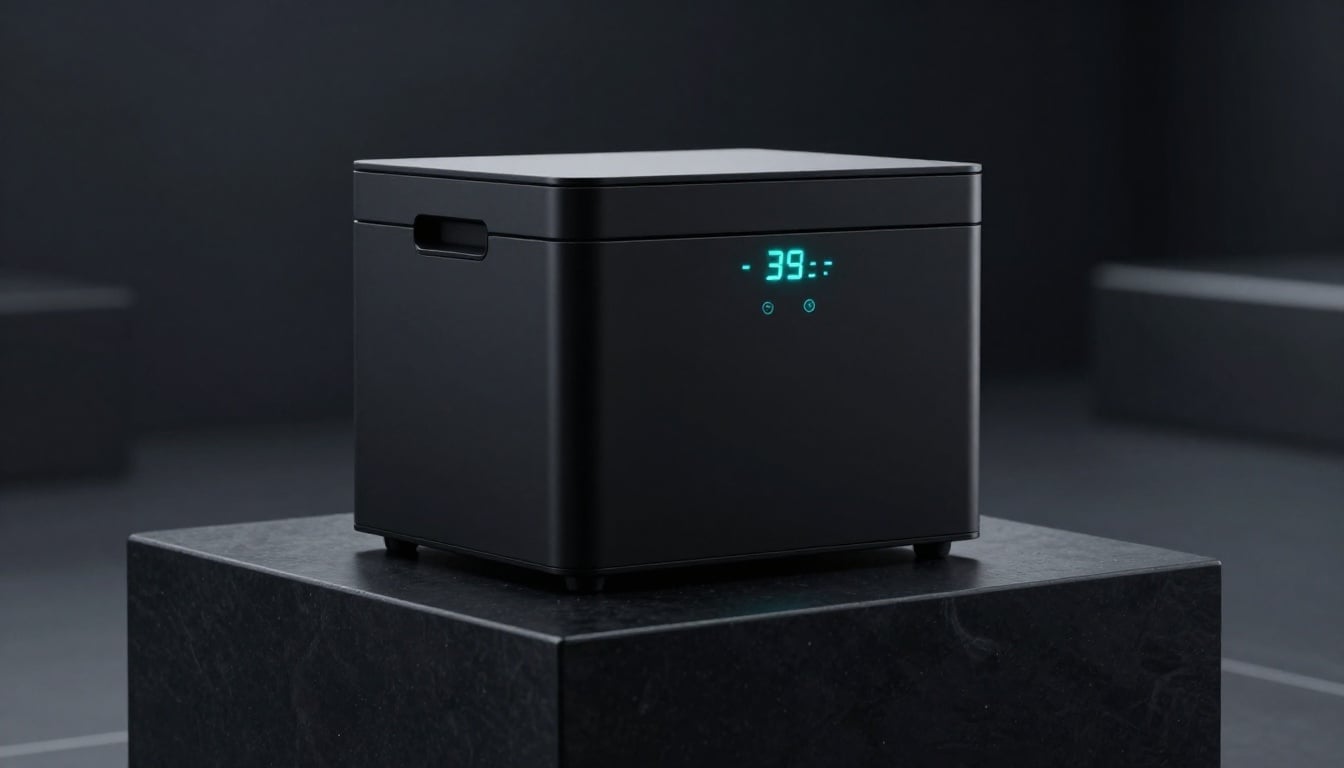
In a world full of flimsy storage options that crack under pressure, the Slylar Box stands out as a tough, reliable choice for keeping your stuff safe. You know how regular plastic bins warp in the sun or rust in the rain? This box fixes that with its smart design built for real-life demands.
A Slylar Box is a high-end storage container made from a special polymer mix that resists wear better than standard plastic or metal. It locks tight, holds up outdoors, and protects valuables from thieves and the elements. Think of it as your garage’s best friend, but way stronger.
By the end of this guide, you’ll grasp the tech behind it, see how it fits your needs at home or work, learn easy setup steps, and get tips to make it last years. We’ll cover everything from the materials to add-ons that boost its power. Ready to upgrade your storage game?
Section 1: Understanding Slylar Box Technology and Composition
The Slylar Box isn’t just another bin—its build comes from clever material choices that make it premium yet practical. You get strength without the weight of metal, and flexibility that beats brittle plastics. This section breaks down why it’s worth the investment for anyone tired of replacing cheap storage.
Material Science: What Makes Slylar Different?
Slylar uses a unique blend of reinforced polymers, mixing tough fibers with flexible resins for a shell that bends without breaking. Unlike basic plastics that shatter on impact or metals that corrode over time, this composite shrugs off drops, scrapes, and spills. Tests show it handles chemicals like oils and acids without pitting or softening, perfect for messy jobs.
To check if a Slylar Box from a reseller is real, look for the etched logo on the lid’s underside and a certification sticker inside. Scratch tests won’t harm it, but fakes might fade or crack under mild pressure. Always buy from trusted sellers to avoid knockoffs that fail fast.
This tech keeps the box light—under 50 pounds for large models—yet sturdy enough for heavy loads up to 500 pounds. Homeowners love how it stacks without wobbling, and pros rely on its grip in tight spaces.
Key Durability and Weather Resistance Metrics
Slylar Boxes work in temps from -40°F to 150°F, so they thrive in freezing winters or scorching summers without warping. Impact tests, like those from ASTM standards, rate them at over 200 foot-pounds of force before denting—think dropping a toolbox from waist height with no damage. UV protection blocks sun fade for at least 10 years, keeping colors sharp.
In coastal spots, where salt air eats metal, Slylar shines. One user in Florida stored boat gear through hurricanes; the box stayed sealed while others flooded. Rain? Its gaskets block water even in downpours, with IP65 ratings for dust and splash proofing.
These specs mean less worry for outdoor setups. You save time and cash by skipping constant fixes on weaker options.
Sustainable Aspects and Lifecycle Management
Slylar’s polymers recycle at end-of-life, breaking down into new products without toxic waste. The company aims for 50-year lifespans in mild use, backed by low degradation rates under lab stress. No heavy metals mean it meets EPA green standards for storage units.
Users report boxes looking new after a decade outdoors, cutting replacement needs. Recycle centers accept them whole, or you can return old ones for credits on fresh buys. This eco-angle appeals to folks who want tough gear without harming the planet.
Pair that with easy repairs—like swapping seals—and you have a product that grows with your needs, not against them.
Section 2: Core Applications and Versatility of Slylar Boxes
Now that you know the build, let’s see how Slylar fits real scenarios. From backyard sheds to factory floors, it adapts to keep things organized and safe. This versatility makes it a go-to for busy people across setups.
Residential Security and Outdoor Storage Solutions
At home, Slylar Boxes guard patio cushions, tools, or bikes from rain and prying eyes. The thick walls and hidden hinges deter break-ins better than chain-link fences. One family in Texas used it for holiday decor; it stayed dry through floods while neighbors’ stuff molded.
Mount it on decks for quick access, or bury it half-way for hidden cache. Locks pair with hasps that take standard padlocks, adding peace of mind. You won’t stress about kids or pets knocking it over—its base grips surfaces firm.
For gardeners, it holds seeds and pots safe from frost. Overall, it turns chaotic yards into neat zones without ugly eyesores.
Commercial and Industrial Inventory Protection
In business, Slylar protects gear on job sites, like wiring or paints from dust and theft. It meets OSHA rules for secure chemical holds, with vents that prevent buildup. A construction firm in the Midwest stored rebar samples inside during blizzards; no rust or loss.
Transport it on trucks—the stackable design saves space and stays put over bumps. For warehouses, line them up for inventory that lasts. Logistics pros note it cuts damage claims by 30% in rough hauls.
Even in food service, it shields supplies from pests and moisture, keeping ops smooth.
Specialized Models: Customization and Configurability
Slylar offers sizes from 2×2 feet to 8-foot giants, fitting garages or big lots. Add shelves for tools, or vents for air flow in humid areas. Double doors swing wide for easy reach, ideal for wheelchairs or tight spots.
Pick colors to match your space, or go clear panels for quick checks. Hinged lids lift one-handed, and modular clips let you link units. Tailor it for boats with drain plugs, or offices with keyless entry.
This flexibility means one box type serves many roles, saving you from multiple buys.
Section 3: Installation, Maintenance, and Long-Term Care
Setting up your Slylar Box right ensures it performs for years. Skip shortcuts to avoid cracks or shifts. Here, you’ll find steps that make the process simple and secure.
Step-by-Step Installation Guidelines (Ground Mount vs. Elevated)
For ground mount, clear a flat spot and level the soil with a tamper. Dig shallow anchors if windy—use concrete blocks for hold. Tools needed: shovel, level, drill, and bolts.
- Place the box and check plumb with a bubble level.
- Mark and drill holes for anchors.
- Secure with screws, then test stability by pushing sides.
Elevated setups, like on decks, bolt to wood frames. Use lag screws for grip, and add rubber pads to dampen vibes. Avoid soft ground; it can tilt over time.
Both ways take under an hour for one person. Always wear gloves to protect hands from edges.
Best Practices for Cleaning and Chemical Resistance Testing
Wipe Slylar with mild soap and water—avoid bleach, which dulls the finish. For tough grime, use vinegar sprays; they cut grease without harm. Test new cleaners on a corner first to spot reactions.
Skip abrasives like steel wool; they scratch the surface. Hose it down yearly to flush dirt from seals. In chemical zones, rinse after exposure to keep integrity.
Schedule checks every six months: inspect hinges for rust and seals for gaps. This routine keeps it looking sharp and working right.
Warranty Details and Troubleshooting Common Issues
Slylar backs it with a 10-year limited warranty on material defects, but not misuse like overloading. Cosmetic dings? Not covered, but structural fails get free parts. Register online for full perks.
If the lid sticks after heavy use, loosen hinges with lubricant—WD-40 works fine. Seals compressing? Replace them yearly; kits cost under $20. Warping from heat? Rare, but move to shade if temps top 140°F.
Contact support for odd creaks; most fixes are DIY. This coverage builds trust in your buy.
Section 4: The Slylar Box Ecosystem: Accessories and Integration
Beyond the box, extras turn it into a full system. Mix and match to fit your setup perfectly. These add-ons extend value without breaking the bank.
Security Enhancements: Locking Mechanisms and Alarm Integration
Bolt on heavy brass padlocks—Slylar’s hasps fit up to 1/2-inch shacks. For high stakes, add internal brackets for motion alarms that link to your phone. One rancher in Montana wired a siren; it scared off coyotes and thieves.
Chain it to posts for extra tie-down. Smart locks with apps let you check remotely. These steps make your Slylar a fortress on wheels or fixed.
Peace comes from knowing your gear stays put, rain or shine.
Climate Control Integration (Venting and Insulation)
Passive vents let air flow to fight mold, crucial in damp garages. For cold snaps, snap in foam panels that boost insulation to R-5 values. Recall the polymer’s temp range? These keep internals steady.
In hot zones, reflective covers cut heat gain by 20%. Pair with hygrometers inside for monitoring. Users in Arizona swear by them for tool storage—no more seized bolts.
This setup matches the box’s tough build, extending gear life inside.
Internal Organization: Shelving, Racking, and Drawer Systems
Clip-in shelves divide space for bins or files, using every inch. Racks hold long items like pipes without sag—rated for 100 pounds per level. Drawers slide smooth for small parts, with locks to boot.
Mix plastic dividers for versatility. A mechanic organized wrenches this way, cutting search time in half. Proprietary fits snap secure, no tools needed.
Max out capacity, and your Slylar becomes a mini-warehouse.
Conclusion: Maximizing Your Investment in Slylar Storage
The Slylar Box delivers top durability, rock-solid security, and years of reliable use that cheap bins can’t match. Its polymer tech and smart features make it a smart pick for any storage need.
Remember, level ground and regular seal checks are key to long life—do them right, and it’ll serve you well.
See the Slylar Box as more than storage: it’s a foundation for organized, worry-free spaces. Grab one today, and watch your setup transform.
