
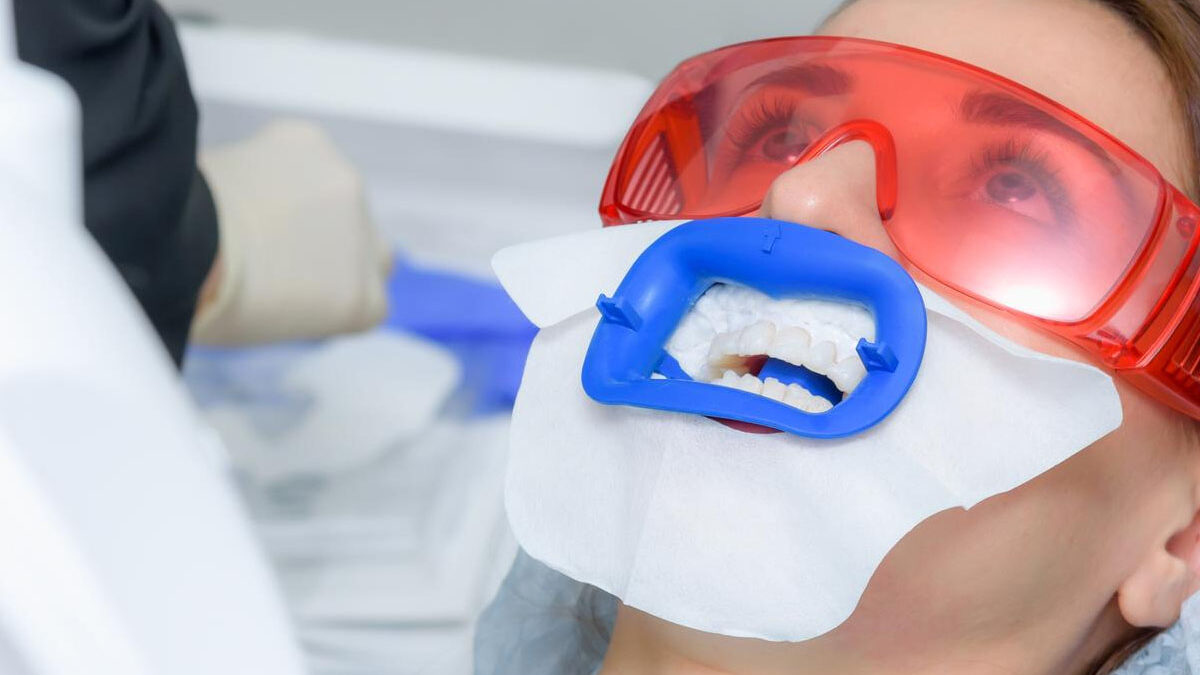
Having a brilliant smile makes you feel confident. But when you have sensitive teeth, whitening can feel painful or uncomfortable. Many humans avoid whitening treatments due to the fact they may be scared of sharp ache or infection.
The coolest information is that teeth whitening for sensitive teeth is feasible. You just need the proper approach, the right products, and the best steps.
In this distinctive manual, we are able to explain:
- Why teeth become sensitive
- What causes discoloration
- Safe whitening options
- Step-by-step methods
- Home remedies
- Professional treatments
- Tips to prevent sensitivity
- FAQs
Let’s get started.
Understanding Tooth Sensitivity
Earlier than beginning any whitening remedy, it’s far vital to understand why teeth are sensitive.
Teeth sensitivity happens when the enamel teeth whitening for sensitive becomes skinny or broken. Underneath the tooth is dentin, which connects to nerves within the teeth. When dentin is uncovered, hot, bloodless, or candy ingredients can reason ache.
Common Causes of Sensitive Teeth
- Brushing too difficult
- The use of a hard-bristled toothbrush
- Gum recession
- Teeth grinding
- Acidic foods and drinks
- Animal decay
- Preceding whitening treatments
In case you have already got sensitivity, you have to select whitening options cautiously.
Why Do Teeth Become Yellow or Stained?
Teeth stains are very not unusual. Even healthy enamel can exchange color through the years.
Main Reasons for Tooth Discoloration
- Espresso and tea
- Smoking or tobacco
- Red wine
- Soda and sugary drinks
- Poor oral hygiene
- Aging
- Certain medications
There are two types of stains:
- Extrinsic stains – On the surface of teeth
- Intrinsic stains – Deep inside the tooth
The whitening method depends on the form of stain and your sensitivity stage.
Is Teeth Whitening Safe for Sensitive Teeth?
Yes, but best when performed properly.
Many whitening products include peroxide (hydrogen peroxide or carbamide peroxide). Those ingredients eliminate stains however can boost sensitivity if used incorrectly.
The secret’s:
- Use low-concentration merchandise
- Avoid overuse
- Follow instructions cautiously
- Consult a dentist if wanted
Now let’s explore the satisfactory alternatives.
Best Teeth Whitening Options for Sensitive Teeth
1. Desensitizing Toothpaste
That is the most secure start line.
Desensitizing toothpaste consists of ingredients like:
- Potassium nitrate
- Strontium chloride
- Fluoride
Those components block ache indicators from accomplishing the nerve.
How to Use:
- Brush twice daily
- Use for 2–4 weeks
- Do not rinse without delay after brushing
This method works slowly but safely.
2. Whitening Toothpaste for Sensitive Teeth
A few toothpastes are specifically made for each whitening and sensitivity.
They:
- Remove surface stains
- Strengthen enamel
- Reduce pain
Look for products labeled “for sensitive teeth.”
3. Whitening Strips (Low Peroxide)
Whitening strips can work, but choose ones designed for sensitive teeth.
Step-by-Step Guide:
- Brush gently before applying
- Dry your teeth
- Apply strips carefully
- Leave on for recommended time (usually 20–30 minutes)
- Remove and rinse
Important:
Use every other day instead of daily to reduce irritation.
4. Custom Whitening Trays from Dentist
This is one of the safest professional options.
Your dentist will:
- Take impressions of your teeth
- Create custom trays
- Offer low-energy whitening gel
Due to the fact trays suit perfectly, the gel no longer contacts your gums, reducing sensitivity.
5. In-Office Professional Whitening
If your stains are deep, professional treatment may be best.
Dentists use protective barriers and controlled whitening agents.
Benefits:
- Faster results
- Supervised by professionals
- Less risk of damage
If you live in cities like the big apple, London, or Sydney, many clinics provide sensitivity-pleasant whitening options.
Usually tell your dentist approximately your sensitivity before remedy.
Natural Whitening Remedies for Sensitive Teeth
Some people prefer natural options. These methods are gentler but give slow results.
1. Baking Soda
- Mix with water
- Brush gently once or twice a week
It removes surface stains but should not be used daily.
2. Oil Pulling
Coconut oil pulling may reduce bacteria and improve brightness.
Steps:
- Take one tablespoon coconut oil
- Swish in mouth for 10–15 minutes
- Spit out
- Rinse and brush
Do this 3–4 times a week.
3. Good Oral Hygiene
Every so often, brushing and flossing teeth whitening for sensitive to enhancing your smile.
Step-by-Step Safe Whitening Routine for Sensitive Teeth
Observe this plan for more secure results:
1: Start with Desensitizing Toothpaste
Use for 2 weeks earlier than whitening.
2: Choose Low-Strength Whitening Product
Keep away from high-peroxide kits.
3: Reduce Frequency
Use whitening products every different day.
4: Avoid Hot and Cold Foods After Treatment
Wait at least 24 hours.
5: Apply Fluoride Gel
Strengthens enamel and reduces pain.
Tips to Prevent Sensitivity During Whitening
- Use a gentle-bristled toothbrush
- Keep away from brushing right now after whitening
- Do not overuse whitening products
- Take breaks between treatments
- Drink through a straw for staining drinks
- Rinse after espresso or tea
Small adjustments make a massive difference.
When Should You Avoid Whitening?
Do not whiten your teeth if you have:
- Untreated cavities
- Gum disease
- Cracked teeth
- Excessive teeth erosion
Constantly repair dental troubles first.
How Long Do Results Last?
Results depend upon lifestyle habits.
Usually:
- At-domestic whitening: 3–6 months
- Professional whitening: 6–12 months
To maintain results:
- Avoid smoking
- Limit espresso and tea
- Brush and floss daily
- Go to dentist every 6 months
Common Mistakes to Avoid
- The usage of an excessive amount of whitening gel
- Leaving strips on too long
- Whitening daily for weeks
- Ignoring tooth pain
- The usage of DIY acidic treatments like lemon juice
Those errors can damage teeth completely.
FAQs About Teeth Whitening for Sensitive Teeth
1. Can I whiten my teeth if they are very sensitive?
Yes, however, pick out mild merchandise and consult your dentist first.
2. Does whitening make sensitivity worse?
It may temporarily boost sensitivity, however it usually is going away in some days.
3. What is the safest whitening method?
Custom trays from a dentist are taken into consideration as the most secure alternative.
4. How long does sensitivity last after whitening?
Typically 24–72 hours.
5. Can I use whitening toothpaste every day?
Yes, if it’s miles designed for sensitive teeth.
6. Are natural remedies better for sensitive teeth?
They may be gentler however slower and much less powerful for deep stains.
Conclusion
A brilliant smile does not now ought to mean pain. With the right approach, tooth whitening for touchy teeth is completely feasible and safe.
Remember:
- Start slow
- Use gentle products
- Keep away from overuse
- Beef up enamel
- Consult your dentist whilst needed
Healthy teeth are more important than white teeth. constantly shield your tooth first.
If you observe the hints on this guide, you may enjoy a brighter, whiter smile without pain.
