
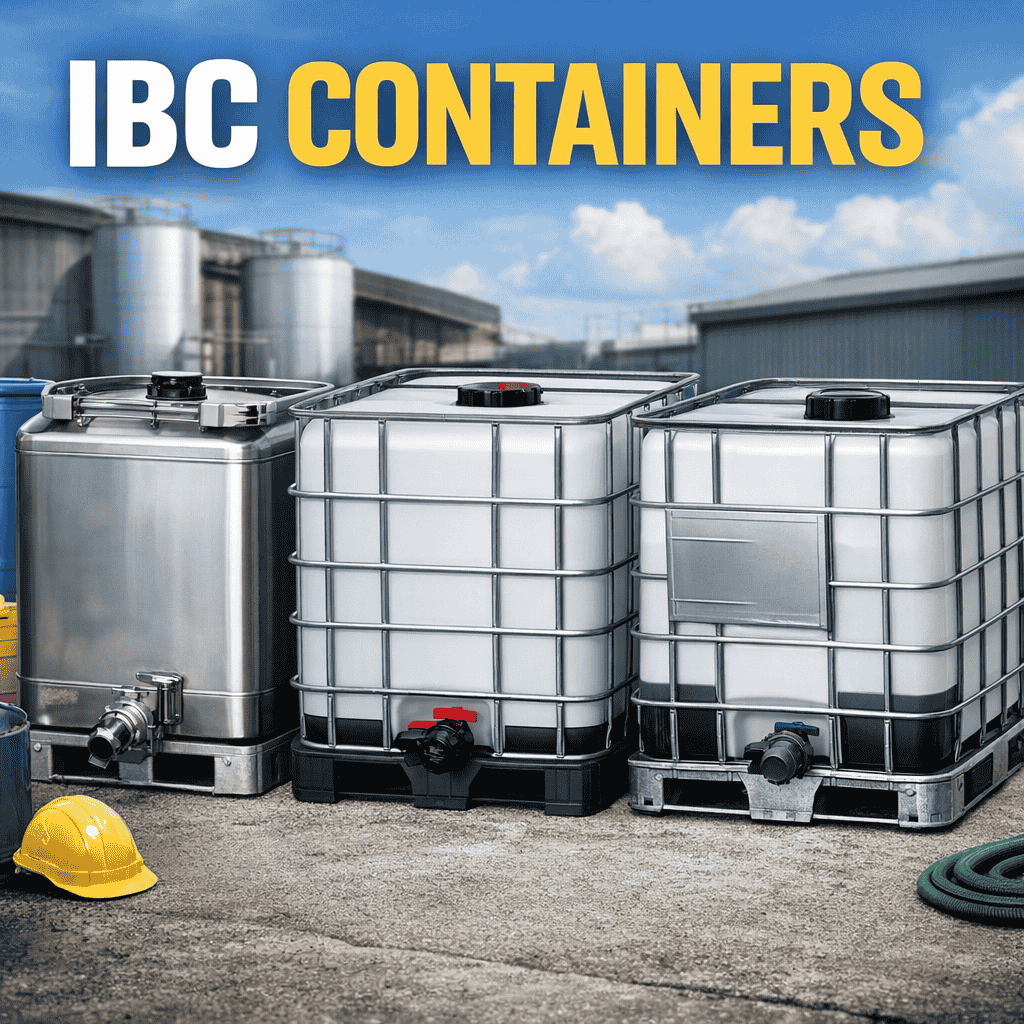
In current industries, efficient garage and transportation of liquids and bulk materials are essential. one of the maximum dependable answers used international is the IBC field. these bins are widely utilized in industries including chemicals, meals processing, agriculture, and prescribed drugs because of their sturdiness, value-effectiveness, and massive storage capability.
In this text, we will discover the whole thing you need to recognise approximately an IBC field, together with its sorts, makes use of, advantages, and the way to use it competently.
What is an IBC Container?
An IBC box (Intermediate Bulk container) is a large business field designed for storing and transporting liquids, semi-beverages, and bulk substances. It commonly has a capability starting from 275 to 330 gallons (a thousand–1250 liters).
IBC packing containers are usually made from high-density polyethylene (HDPE) and are covered with the aid of a metal cage body for extra power. they’re established on a pallet base so they can be without difficulty moved using forklifts or pallet jacks.
Those containers are typically used due to the fact they offer a secure, reusable, and area-green method for managing big portions of materials.
Key Features of IBC Containers
IBC bins are famous throughout industries because of their sensible design and capability. some of their key functions include:
- Massive storage ability – Holds big volumes of drinks or powders.
- Stackable layout – Saves warehouse space by using stacking more than one bins.
- Durable production – constructed with robust plastic and steel frames.
- Easy Transportation – Designed for forklifts and pallet jacks.
- Reusable and Recyclable – can be cleaned and reused usually.
- Secure Discharge Valve – Allows controlled liquid dispensing.
Due to those features, an IBC box is considered a tremendously efficient bulk garage solution.
Types of IBC Containers
There are several types of IBC containers designed for different industrial purposes.
1. Plastic IBC Containers
Plastic IBC containers are the most commonly used type. They encompass a plastic tank inner a steel cage.
Advantages:
- Lightweight
- Chemical-resistant
- Cost-effective
- Appropriate for drinks and chemical substances
These containers are extensively utilized in chemical, food, and agricultural industries.
2. Stainless Steel IBC Containers
Stainless steel IBC packing containers are designed for industries that require excessive hygiene requirements.
Common uses include:
- Food processing
- Pharmaceutical production
- Beverage storage
Benefits:
- Corrosion resistant
- Long lifespan
- Easy to clean
- Appropriate for risky substances
3. Composite IBC Containers
Composite IBC containers combine plastic internal tanks with steel outer frames.
These containers offer:
- High durability
- Better protection
- Safe storage for chemicals and liquids
They are commonly used in industrial transportation.
4. Foldable IBC Containers
Foldable IBC boxes can fall apart whilst empty, which saves garage space.
Benefits include:
- Reduced shipping cost
- Easy storage
- Lightweight handling
They’re frequently used in logistics and supply chain operations.
Common Uses of IBC Containers
IBC boxes are used throughout many industries due to their versatility.
1. Chemical Industry
The chemical enterprise uses IBC containers to shop and transport:
- Commercial chemicals
- Cleansing answers
- Liquid solvents
- Acids and alkalis
These bins are designed to meet strict protection requirements for chemical dealing with.
2. Food and Beverage Industry
Meals-grade IBC boxes are used for storing:
- Cooking oils
- Syrups
- Liquid sugar
- Juice concentrates
- Dairy products
These bins need to meet hygiene and meals protection guidelines.
3. Agriculture
In agriculture, IBC bins are commonly used for:
- Liquid fertilizers
- Pesticides
- Herbicides
- Water storage
Farmers decide on them because they are durable and clean to transport.
4. Pharmaceutical Industry
Pharmaceutical agencies use sterile IBC packing containers for transporting raw materials and liquid substances used in remedy manufacturing.
5. Water Storage and Recycling
IBC packing containers also are used for:
- Rainwater harvesting
- Industrial water garage
- Wastewater series
Many families and companies use them as price-powerful water garage systems.
Benefits of Using an IBC Container
IBC bins provide numerous blessings as compared to traditional garage drums or tanks.
1. Space Efficiency
IBC containers have a square or square form, which lets in them to be stacked and stored efficaciously. This allows maximize warehouse space.
2. Cost-Effective Solution
Using IBC containers reduces costs because:
- They are reusable
- They reduce packaging waste
- They lower transportation expenses
3. Easy Handling
Those containers are designed for forklifts and pallet jacks, making them less complicated to move even when completely loaded.
4. Improved Safety
IBC containers include safety features such as:
- Secure lids
- Discharge valves
- Strong metal frames
These features help save you leaks and spills.
5. Environmentally Friendly
On the grounds that they may be reused and recycled, IBC containers help lessen plastic waste and help sustainable packaging practices.
How to Use an IBC Container Safely
Proper dealing with is critical to ensure secure storage and transportation. observe those steps when the use of an IBC box.
1: Inspect the Container
Earlier than use:
- Take a look at for cracks or leaks
- Make certain the valve is operating properly
- Look into the metallic cage for damage
2: Clean the Container
If the container is reused, ensure it is nicely cleaned to keep away from infection.
cleansing techniques can also include:
- Water rinsing
- Chemical cleansing
- Steam sanitation
3: Fill the Container Correctly
When filling an IBC box:
- Do not exceed the most potential
- Make sure the lid is tightly sealed
- Use appropriate filling equipment
4: Transport Carefully
At some stage in transportation:
- Use forklifts or pallet jacks
- Comfortable the field to prevent movement
- Avoid stacking beyond recommended limits
5: Dispense Liquids Safely
Most IBC containers include a bottom discharge valve.
When dispensing:
- Place a container below the valve
- Open slowly to control flow
- Close tightly after use
Maintenance Tips for IBC Containers
Right renovation facilitates increase the lifestyles of the box.
Right here are a few beneficial renovation hints:
- Smooth the box often
- Store it in a dry vicinity
- Avoid publicity to severe warmness
- Update broken valves or lids
- Look at before every use
Normal maintenance ensures secure and efficient use.
How to Choose the Right IBC Container
Selecting the proper field relies upon to your particular wishes.
Do not forget the subsequent elements:
Material Type
Pick plastic or stainless-steel depending at the material you need to keep.
Capacity
Maximum containers hold one thousand liters, however one-of-a-kind sizes are to be had.
Industry Standards
Make sure the container meets:
- Food-grade certification (for meals use)
- Chemical safety standards
- Transportation regulations
Reusability
If you plan to reuse the container, pick out one designed for multiple cleansing cycles.
FAQs About IBC Containers
1. What does IBC stand for?
IBC stands for Intermediate Bulk field, a massive container used for storing and transporting bulk drinks and materials.
2. What is the capacity of an IBC container?
Maximum IBC boxes preserve 275 to 330 gallons (approximately a thousand–1250 liters).
3. Are IBC containers reusable?
Sure, most IBC packing containers are reusable if they may be properly cleaned and maintained.
4. Can IBC containers store drinking water?
Best food-grade IBC boxes have to be used for storing ingesting water.
5. How long do IBC containers last?
With proper maintenance, an IBC field can closing 5–10 years or longer relying on utilization.
6. Are IBC containers environmentally friendly?
Sure, they may be reusable and recyclable, making them a more sustainable garage choice in comparison to single-use bins.
Conclusion
An IBC container is an effective and dependable solution for storing and transporting bulk beverages and materials across many industries. Its big ability, long lasting design, and stackable structure make it a desired choice for groups that want safe and price-effective storage solutions.
From chemical processing to agriculture and meals manufacturing, IBC bins offer versatility, protection, and convenience. via deciding on the right field kind and following proper renovation and protection practices, agencies can maximize the blessings of this pretty practical garage system.
If used successfully, an IBC container can substantially improve garage performance while decreasing costs and environmental effect.
