
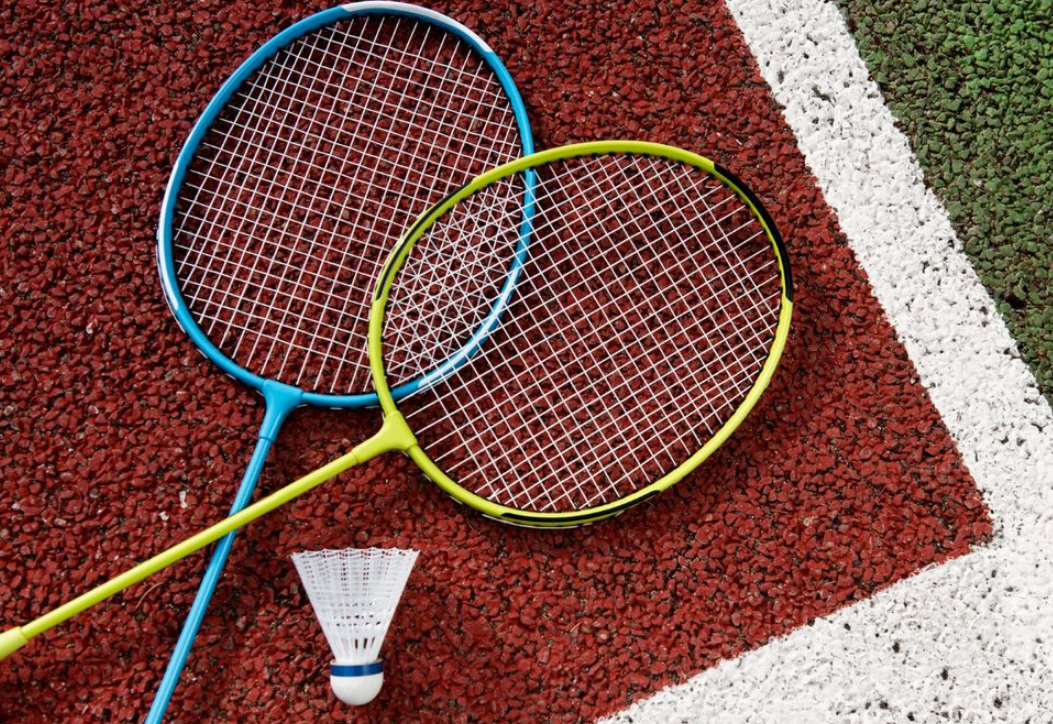
Somewhere between cricket and a proper sit-down, Australians have always needed something to do with their hands at a gathering. Badminton fills that gap in a way that’s hard to explain until you’ve watched three generations of the same family arguing over whether a shuttlecock landed in or out. It’s that kind of game. Badminton sets have quietly become one of the most reliably used pieces of outdoor equipment in Australian backyards — not because of clever marketing, but because the game simply works.
The Warm-Up Problem
Most outdoor sports demand commitment before they’re enjoyable. Footy requires numbers. Tennis needs a court. Badminton sidesteps all of that completely. There’s no awkward standing-around phase while everyone waits for something to happen. The first rally is as entertaining as the last. That’s genuinely rare in backyard sport, and most people don’t realise it until they’re already mid-game and laughing.
What Happens to Reluctant Players
Anyone who’s hosted a gathering knows the challenge. Getting certain people off their chairs is a diplomatic exercise in itself. Badminton has an unusual way of solving that. The shuttlecock moves slowly enough to feel manageable — but unpredictably enough to demand real attention. That combination hooks people who’d normally stay planted in their seat, cold drink in hand, watching everyone else do the work.
The Net Changes Everything
There’s genuine psychology behind why a net improves a game. It creates two distinct sides. Suddenly even a casual hit-around carries a sense of structure, mild consequence, and quiet competition. Players start keeping score without anyone suggesting it. Badminton sets that include a properly tensioned net — rather than something that sags in the middle — make a real difference to how seriously people play and, more importantly, how long they actually stay playing.
Coordination You Didn’t Know You’d Lost
Most adults discover something uncomfortable when they first pick up a racket. Their hand-eye coordination isn’t what they assumed it was. Tracking a shuttlecock mid-flight, adjusting for wind, timing the swing — it’s harder than it looks. But playing regularly rebuilds those pathways quietly. Reaction times improve. Spatial judgement sharpens. The body starts moving with more confidence, not just on the lawn but in everyday situations that have nothing to do with sport.
Children Learn to Lose Gracefully
Structured sport teaches children plenty. But unstructured backyard badminton teaches something harder to come by — losing without a coach watching, without a trophy on the line, without real consequence. That low-stakes environment is where emotional resilience actually gets practised. A missed shot at home carries no shame. So children try harder, fall short more often, and recover faster than they ever would in a formal setting with an audience and a scoreboard.
Wind Is Part of the Game
Australian conditions make outdoor badminton more interesting than any indoor version. Afternoon sea breezes along coastal areas, unpredictable gusts inland — none of it ruins the game. It adds to it. Reading the wind, adjusting a serve angle, deliberately sending a shuttlecock into a gust to wrong-foot an opponent. That’s tactical thinking. Badminton sets used outdoors reward adaptability far more than raw athletic ability, which keeps experienced players genuinely engaged rather than just going through the motions.
It Travels Without Complaint
A full badminton kit packs down small. It fits easily in a car boot alongside the esky and the folding chairs, without reorganising everything else around it. That portability matters more than people expect. Equipment that travels actually gets used — at holiday parks, beach reserves, family farms. It doesn’t sit waiting for perfect conditions that take forever to arrive. It just goes wherever the weekend goes.
Conclusion
What makes badminton genuinely worth having isn’t the exercise, though that part is real. It isn’t even the social pull, though that’s hard to replicate with most other games. Badminton sets are one of the few outdoor purchases that actually improve with time — the more a family plays, the better they get, and the more reasons they find to keep coming back to it. That kind of return doesn’t come from a screen or a subscription. It builds rally by rally, season after season, in backyards right across the country.
