
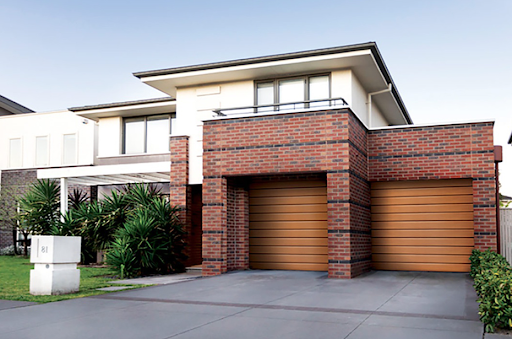
Most homeowners pour energy into kitchens, bathrooms, and front gardens. The garage door gets ignored. It stays ignored until it breaks, jams mid-morning, or looks embarrassingly dated during an open home. Roller door installation is one of those decisions people consistently wish they had made earlier — not because it is glamorous, but because a poor garage door and a good one are separated by a gap that shows up every single day.
Space Maths That Actually Matters
Panel-lift doors are deceptive. They look compact right up until the moment they move — swinging outward before travelling up, eating into driveway space and dictating exactly how close a vehicle can park. Roller doors work differently. The door coils upward into a drum mounted above the opening. The driveway stays clear. The full internal depth of the garage stays usable. On tighter urban blocks, that difference is felt the first week.
The Security Gap Nobody Discusses
Most households spend considerably more on front door deadbolts than on garage security. That imbalance is genuinely worth reconsidering. Garages are a well-documented entry point, yet the door protecting them rarely gets the same scrutiny as the front entrance. Roller doors use interlocking slats that spread force across the entire face — rather than concentrating it at panel joints, which is precisely where pressure gets applied during a forced entry. Multi-point locking adds another layer that older door styles cannot replicate.
What Australian Conditions Do to Doors
Coastal air corrodes. UV exposure fades and weakens. Temperature swings between seasons stretch materials beyond what average product specifications account for. A roller door installation using marine-grade aluminium or properly treated steel with UV-stable powder coating performs completely differently over years of exposure compared to something that looked identical at purchase but was never rated for those conditions. Most people do not ask about material specifications until something starts visibly degrading. By then, the damage is already done.
Insulation Is Working Harder Than It Looks
Garages share walls and sometimes ceilings with living spaces. An uninsulated door turns that entire cavity into a heat sink through summer and a cold trap through winter. That thermal transfer does not stay contained — it moves into adjoining rooms, increases the load on air conditioning, and creates uncomfortable temperature differences in spaces people actually spend time in. Insulated roller slats interrupt that transfer. The effect builds across seasons rather than appearing dramatically on any single day, which is partly why it gets underestimated.
Automation Done Properly
There is a version of garage automation that feels perpetually unreliable. A retrofitted motor on an ageing door. A remote that drops signal on cold mornings. A travel limit that slowly drifts until the door no longer seals properly at the bottom. Proper roller door installation with integrated automation is built from the start to avoid all of that. The motor is matched to the specific door weight. Travel limits are calibrated precisely during installation. Obstruction detection, battery backup, and smart home integration come standard — not as afterthoughts.
Kerb Appeal With an Actual Reason
Property searches begin online now, well before anyone visits in person. A garage that reads as clean and considered in listing photos draws genuinely different interest than one that looks tired or mismatched against the rest of the facade. Flush-profile roller doors photograph well — no panel lines interrupting the surface, no visible hardware cluttering the face. That first visual impression influences whether someone books an inspection. The aesthetic argument and the practical argument are, in this case, exactly the same argument.
What Installation Should Actually Involve
A proper installation assessment looks beyond the door itself. The structural condition of the opening needs checking. The lintel must carry the drum weight without issue. The floor level needs to be consistent enough to maintain a reliable seal along the bottom edge. Installers who skip those checks are cutting their own time short, not doing thoroughness. Before any installation begins, the question worth asking is what gets inspected first — not simply which brand is being supplied.
Conclusion
Roller door installation is not a simple swap where one door replaces another and everything works out fine. Material choices, insulation ratings, security engineering, and automation quality vary considerably across products and providers. Getting those details right from the beginning means the door performs properly across years of daily use, not just across the first season. A garage door moves more frequently than almost any other component on a property. Giving that decision proper attention is not overcautious — it is just practical.
