
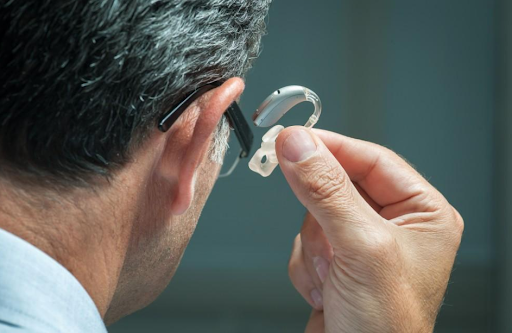
Most people do not notice the moment hearing starts to slip. It happens in the background — a word here, a sentence there — until conversations start feeling exhausting and social settings become something to avoid rather than enjoy. By the time someone actually visits an audiologist, they have usually been quietly managing the problem for years. That is the part nobody talks about. For residents of the Mother City, hearing aids in Cape Town have shifted from a last resort into an early, practical choice. And the reasons why are more interesting than the standard explanation.
The Brain Gets Tired First
Here is something audiologists see constantly: people come in convinced the problem is mild. Their audiogram tells a different story. What happens with gradual hearing loss is that the brain picks up the slack — it fills in missing sounds using context, memory, and sheer effort. This works, for a while. But it burns through cognitive energy. People end up mentally drained from conversations that should feel effortless. They blame stress. They blame age. The actual culprit is auditory strain, and it goes completely unrecognised until someone finally gets tested.
Cape Town’s Wind Problem
This one is specific to the city and rarely comes up in general hearing care discussions. Cape Town’s southeaster — the wind locals call the Cape Doctor — creates an acoustic environment that badly affects older or poorly fitted hearing devices. Wind noise floods directly into the microphone, making outdoor wear more disorienting than helpful. People buy aids, try them on the promenade or at an outdoor market, get frustrated, and stop wearing them altogether. The technology in current devices handles directional wind noise far better than it used to. But hearing aids in Cape Town still need to be fitted by someone who knows the local environment, not just the clinical data on a chart.
Waiting Makes It Harder
There is a process called auditory deprivation that most people have never heard of, but it matters a great deal. When the auditory nerve stops getting adequate input — because hearing loss is untreated — the brain’s ability to process speech quietly deteriorates on its own. Separate from the hearing loss itself. So someone who waits years before seeking help will often struggle more with speech clarity than their audiogram alone would suggest. The ears and the brain are a working pair. Cut the signal, and both suffer. Early fitting consistently produces better long-term results, not because the technology is magic, but because the brain still has something to work with.
The Stigma Is Outdated
People still picture the large beige device their grandparent wore. That image is decades old. Receiver-in-canal styles are barely visible in ordinary conversation. Some sit almost entirely inside the ear. Younger Cape Town residents often find that current models double as wireless earphones — they stream from phones, pair with televisions, adjust via an app. Someone wearing them at a coffee shop in Sea Point looks like anyone else with earbuds in. The practical objection has mostly disappeared. The psychological one just takes longer to shift.
The First Weeks Are the Hardest
The adjustment period catches most new wearers off guard. Sound does not come back the way people expect. It comes back as overwhelming. A cup placed on a table sounds sharp. Air conditioning becomes intrusive. The brain, having gone without those sounds for a long time, has not yet learned to push them into the background. This stage lasts a few weeks and requires real patience. Audiologists who schedule proper follow-up — usually within the first couple of weeks and again around six weeks — have significantly better long-term results with their patients. The fitting is the beginning, not the end.
Conclusion
Hearing loss rarely announces itself loudly, which is exactly why it does so much damage before most people act. Auditory deprivation, the city’s unique wind environment, the tinnitus connection, the outdated stigma — none of this features in the standard conversation about hearing health, and it should. Hearing aids in Cape Town have genuinely moved on, clinically and technologically, to a point where the old objections no longer hold up. For anyone who has been quietly putting this off, waiting another year is usually the most costly decision of all.
