
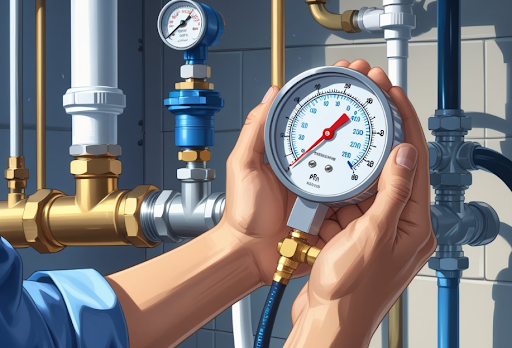
Most plumbing problems are not abrupt incidents. They are sluggish tales. A pipe does not wake up one morning and decide to leak. Stress accumulates over time. Materials expand and shrink. Connections experience movement. Installation issues that looked inconsequential at the beginning ultimately become vulnerabilities. Yet many property owners take action only after noticeable damage arises. This method generates a peculiar predicament. People trust a plumbing system simply because it has not failed yet. In truth, the lack of observable issues indicates very little about what is occurring within walls, under floors, or above ceilings. Water pressure testing gives something distinct. It replaces speculation with proof. Instead than questioning if a system seems healthy, it examines whether the system can truly endure the circumstances it was meant to manage. That difference is more fundamental than people understand.
Failure Rarely Starts At The Leak
One of the most misunderstood aspects of plumbing is the belief that the leak itself is the main problem. Often, it is not. The leak is simply the moment the problem becomes visible. The real issue may have started much earlier. A poorly supported pipe. A joint placed under tension. A small installation defect overlooked during construction. These factors can exist for a long time without attracting attention. By the time water becomes visible, surrounding materials may already be affected. This explains why experienced professionals often focus less on the leak and more on the conditions that allowed it to develop. Water pressure testing supports this approach because it helps identify underlying weaknesses before they reach the failure stage.In many situations, prevention begins with understanding where stress exists inside the system.
What Buildings Reveal
Buildings have a way of hiding problems. Fresh paint can conceal moisture damage. Decorative finishes can disguise structural concerns. A property may look immaculate while conditions behind the surface tell a completely different story. Water is particularly deceptive because it moves quietly. It does not always travel in a straight line. Moisture can appear in one location while the source exists somewhere else entirely. This creates confusion during investigations. The visible symptom becomes the focus, even though it may have little connection to the actual cause. Pressure testing helps cut through that uncertainty. Rather than searching for clues after damage appears, professionals can evaluate the integrity of the plumbing system itself. That shift changes the entire maintenance process from reaction to investigation.
The Psychology Of Assumption
Human beings are naturally influenced by familiarity. When something works every day, confidence develops. The kitchen tap runs. The shower operates normally. Water flows exactly as expected. Over time, these experiences create a sense of security. The problem is that plumbing systems do not always provide warnings before failure. They often continue functioning until a hidden weakness reaches its limit. This is why assumptions can become risky. A water pressure testing process challenges those assumptions. It examines performance rather than appearance. Instead of relying on daily experience, it provides objective information about the condition of the system. For property owners, that information can be far more valuable than waiting for visible signs to appear.
Maintenance Or Risk Management
Many people think of plumbing inspections as maintenance tasks. A more accurate description might be risk management. Every building contains systems that support daily life. Electrical networks, structural components, heating systems and plumbing infrastructure all carry a degree of risk if left unchecked. The goal is not perfection. The goal is identifying vulnerabilities before they develop into larger problems. Pressure testing fits naturally into that philosophy. It provides insight into areas that are otherwise impossible to assess through visual observation alone. The most effective property management strategies are rarely built around repairs. They are built around reducing uncertainty. Understanding the condition of a plumbing system is one way to achieve that.
Conclusion
The genuine usefulness of water pressure monitoring goes beyond leak detection. It gives insight into hidden situations that may never be disclosed by regular observation. Plumbing issues typically begin long before water becomes evident, which makes early inspection very crucial. By finding stress areas, installation flaws and growing defects, water pressure testing helps property owners go from assumption to informed decision-making. It encourages a proactive strategy rather than a reactive one. More crucially, it stimulates attention to underlying concerns before they influence the entire building. In a setting where hidden faults might stay undiscovered for lengthy periods, pressure testing delivers clarity, confidence and a firmer basis for long-term system dependability.
