
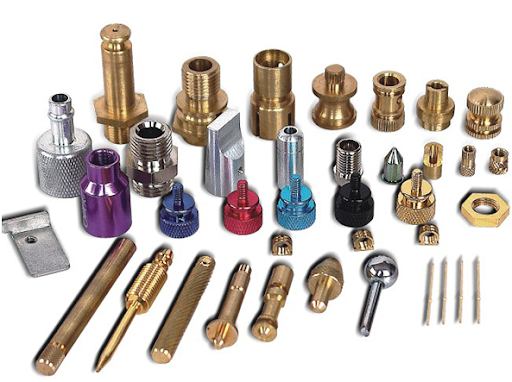
Industrial facilities rarely struggle because someone forgot to buy a machine. Problems usually begin much earlier and in less obvious places. A loose mounting point. A connector that was technically compatible but poorly suited to the environment. A fastening system selected without considering how often maintenance teams would need access. These details rarely appear in project presentations. Yet they often determine whether operations remain smooth or gradually become difficult to manage. That is why industrial hardware accessories deserve far more attention than they receive. In many workplaces, they sit in the background until something goes wrong. By that stage, the conversation is no longer about hardware. It becomes a conversation about downtime, maintenance pressure, and operational disruption. The irony is simple. The smallest decisions are often responsible for the biggest frustrations.
The Experience Gap
There is a noticeable difference between how newcomers and experienced facility managers evaluate hardware. New buyers often focus on specifications. Experienced professionals usually focus on consequences. They ask different questions. Will this component still perform after years of routine handling? Will technicians find it easy to work with? Could it create hidden maintenance problems later? These questions come from experience rather than theory. This explains why industrial hardware accessories are often chosen differently by people who have spent years dealing with operational issues. They understand that hardware should not merely fit the system. It should fit the reality of how that system will be used. The distinction may sound minor. In practice, it changes purchasing decisions considerably.
Maintenance Tells The Truth
Every industrial site has its own story, but maintenance departments often reach similar conclusions. Equipment rarely fails without warning. Small signs usually appear first. Increased vibration. Components working loose. Repeated adjustments. Unexpected wear in surrounding areas. These symptoms often point towards supporting hardware rather than major equipment. Maintenance professionals therefore tend to pay close attention to details others overlook. They know that recurring issues can consume more resources than major failures. A large breakdown attracts immediate attention and gets resolved. Smaller recurring problems can quietly drain productivity for years. That reality changes how hardware is viewed. Instead of seeing accessories as supporting items, experienced teams see them as part of the system’s long-term health.
Designed For Humans
Industrial environments are designed around equipment, but they are operated by people. This fact sounds obvious. Surprisingly, it is often ignored. A hardware solution might perform perfectly on paper while creating frustration during inspections, repairs, or routine adjustments. Difficult access, awkward positioning, or unnecessary complexity can turn simple tasks into time-consuming exercises. Many respected engineers argue that maintainability is one of the most overlooked aspects of industrial design. The best systems are not always the most sophisticated. Often, they are the easiest to understand and work with. Well-chosen industrial hardware accessories contribute to that simplicity. They help create environments where maintenance tasks feel manageable rather than burdensome. Over time, that difference affects both productivity and workforce efficiency.
The Hidden Cost Of Complexity
Complexity has a way of spreading. One poorly conceived component may lead to workarounds. Workarounds become habits. Habits gradually become accepted practice, even when they generate extra danger or inefficiency. Industrial facilities meet this phenomenon more frequently than people think. Systems become difficult to manage not because they were built badly overall, but because tiny choices aggregated over time. Good hardware selections assist avoid that process. They foster consistency. They eliminate needless variety. Most significantly, they make systems simpler to comprehend. When operations become simpler to comprehend, they also become easier to manage, enhance, and adapt. That relationship is seldom emphasised, however it effects long-term performance more than many technical parameters.
Conclusion
The true worth of industrial gear is seldom evaluated by look or size. Its relevance becomes obvious via better operations, fewer repeated frustrations, and systems that stay manageable as needs change. Industrial hardware accessories determine how equipment is maintained, how effectively teams function, and how quickly facilities adapt to new difficulties. Their job goes much beyond mere assistance. Experienced professionals recognise that operational success is frequently determined by nuances that get relatively little attention during planning. While huge gear may dominate the debate, it is frequently the little components behind the scenes that silently decide whether a facility operates effectively or continuously battles with avoidable issues.
