
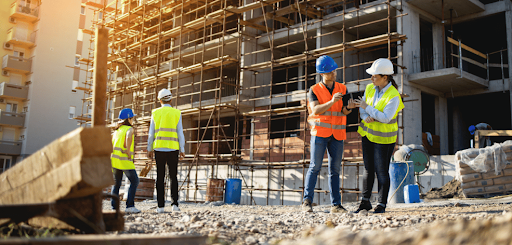
If you have ever watched a building site and asked yourself how all those different trades, deliveries and deadlines somehow turn into a finished structure, mostly the answer is simple: somebody is managing it. Construction project management on the Gold Coast, this means a person or a team whose full job is keeping the build on schedule, on budget, moving toward the right direction, starting from first sketch until the day someone hands you the keys. It sounds easy when said like this, but anyone who has tried coordinating a build without help, they know how fast things can spiral out. This article goes through what this management actually involves, and why, in a region growing this fast, it matters so much.
Why You Cannot Really Wing It
A construction site is not one job, it is actually twenty jobs happening together, sometimes done by people who never met each other before this. Electricians, they need to know when plumbers are done. Concrete pours, these depend on weather. Council inspections must happen on specific points, not whenever convenient for someone. If one of these gets missed, the whole sequence can fall apart easily.
This is really why project management exists as its own discipline. It is less about ticking boxes, more about noticing problems before they actually hit you. On the Gold Coast, where coastal weather and strict building codes near water are part of everyday reality, this kind of foresight is not something optional, it is the difference between a smooth build and one dragging on for months more than planned.
What Actually Happens, Stage by Stage
Most builds follow a rough sequence, even though every project looks a little different in details. It starts with planning, figuring out budgets, timelines, and what the design actually needs before even one brick gets laid down. Then comes approvals, and in this region that often means dealing with council requirements which change depending on the site and how close it sits to the coast.
Once construction actually begins, the job turns more into coordination than planning, getting right trades on site at right time, making sure materials arrive when needed, checking quality while work is progressing instead of waiting till the end to notice something went wrong. Last comes handover, where everything gets reviewed, documented, and signed off formally.
If a step gets skipped anywhere in this chain, you will usually feel it later, often in ways costing more to fix than it would have cost to prevent in first place.
The Problems That Show Up Even When Things Are Planned Well
No matter how carefully a project gets mapped out, something tends to go sideways anyway. Rain delays are almost guaranteed in a coastal climate, and once one trade falls behind on schedule, everyone lined up after them feels it too. Material costs shift, sometimes suddenly, and this can put pressure on a budget that looked fine just a month before.
Probably the most common problem though is not weather or money, it is communication. When the architect, the builder and the client are not hearing the same version of events, decisions get made twice, or get contradicted completely, and someone ends up redoing work already finished before. Good project management usually fixes this just by having one person tracking every decision and making sure it actually reaches everyone who needs to know it.
Keeping the Budget Honest
Setting a number at the start and just hoping it holds, that is not really budgeting, that is guessing. Costs need tracking the whole way through, with room left to adjust when something unexpected shows up, a design change, a substitute material, ground conditions nobody saw coming.
When this tracking gets done properly, clients are not left wondering where their money went. They can see it, ask questions about it, make decisions on changes while there is still time to act on them. This kind of visibility is one of the more underrated benefits that comes with proper oversight on a build.
Local Knowledge Actually Matters Here
Soil conditions, salt exposure, council quirks, seasonal storms, all of this plays into how a Gold Coast project should get approached. Someone who has worked in this area before, they know to plan around these things instead of scrambling once they appear mid build. That familiarity usually also comes with relationships already built with local trades and suppliers, which mostly means fewer scheduling surprises and fewer last minute substitutions.
Why It Mostly Comes Down to Communication
Strip away everything else, and construction project management is really about keeping people talking with each other. Regular updates, honest check ins, quick responses whenever something needs fixing, all of this adds up to fewer misunderstandings and fewer delays caused because of them. On the Gold Coast specifically, where budgets, weather and council rules all bring their own layer of complexity, this kind of steady communication is often what separates a project going smoothly from one that does not.
