
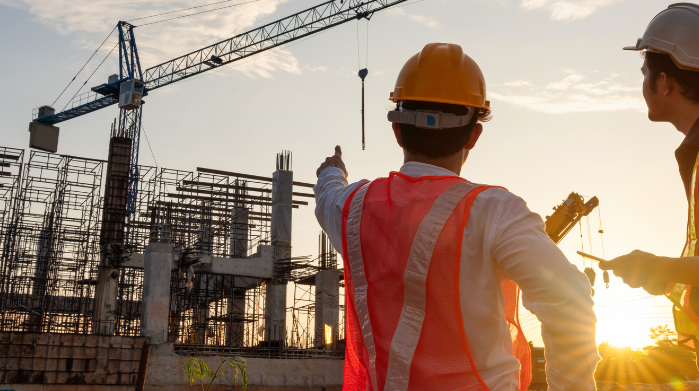
Nobody really thinks about a road until it falls apart under their tyres. Or about a drain until water starts rising in the street after a downpour. Infrastructure has this strange quality — it earns zero attention when it works and becomes the only topic of conversation when it does not. That is both a compliment to good engineering and a warning about what happens when planning goes wrong. Civil infrastructure services sit quietly behind every functioning town, city, and suburb, holding things together in ways most people never stop to appreciate.
Why Bad Decisions Stick Around
One thing that is seldom mentioned is how obstinate bad infrastructure choices can be. They don’t merely produce short-term issues and then go away. Long after the contractor has gone on to another job, a road constructed without considering how water drains off its surface would continue to flood season after season. Everyone will suffer from unplanned traffic congestion at a crossroads built for traffic numbers from ten years ago. The true problem is that planning errors often get ingrained in the day-to-day activities of a society. Later on, fixing them is seldom simple and is never inexpensive.
Skilled engineers are aware of this. A large amount of project time is devoted to considering what a location will need in the future, rather than simply what it will require on the day the plan is created. What distinguishes infrastructure that ages well from infrastructure that subtly becomes a burden is the change in perspective from immediate to long-term.
Roads Are More Complicated Than They Look
Most people assume roads are the simple part of civil engineering. Dig, lay, surface, done. But road design involves a serious amount of behavioural observation. Where do pedestrians actually cross versus where they are supposed to cross? Which routes do delivery drivers prefer, and why? What happens to the road surface when heavy vehicles cut the same corner repeatedly? Roads that get built without answering these questions tend to develop problems that look random but are actually very predictable. Thoughtful road design reads the way people genuinely move, not the way planners assume they will.
Drainage Is Always the Overlooked Element
Ask someone on the street what they know about civil infrastructure services and they will probably mention roads or bridges. Drainage rarely comes up. Yet it is arguably the element that fails most visibly when it is underdone. A flooded street does not just inconvenience drivers — it damages foundations, disrupts businesses, and in serious cases poses a genuine safety risk. The tricky part about drainage design is that it has to account for rainfall that has not happened yet. Designing for what the weather has done historically is no longer sufficient. Smart drainage thinking today involves working with land contours, soil absorption rates, and surface materials to create systems that can handle the unexpected without backing up into people’s properties.
Bridges and the Problem With Waiting
Structural maintenance on bridges gets delayed more often than it should. The logic is understandable — a bridge that looks fine probably is fine, so why spend resources on it now? The trouble is that structural wear does not show itself until it is well advanced. Corrosion works from the inside. Fatigue builds slowly. By the time there is a visible problem, the underlying issue has often been developing for years. Civil infrastructure services that include regular, systematic bridge inspection catch these things early, when repair work is manageable. Waiting for visible deterioration is almost always the more expensive and disruptive choice.
Sustainability Means More Than Greener Materials
The construction industry talks a great deal about sustainability, and a fair amount of that talk is hollow. In practice, sustainable infrastructure means building things that do not silently shift their problems forward in time. Roads that require complete reconstruction every few years are not sustainable, regardless of what materials were used. Drainage systems that overwhelm in heavy rain have failed on their core purpose. Genuine sustainability is about decisions made early in the design process that reduce the long-term maintenance burden and work alongside natural systems rather than ignoring them.
Conclusion
Civil infrastructure services impact how communities operate in ways that go well beyond building. Every road, drainage channel, and bridge reflects judgments made long before the first dirt was broken – decisions about how people would travel, how water will flow, and how securely a building will hold over time. Communities that take such considerations seriously end up with infrastructure that quietly performs its job for decades. Those who cut shortcuts tend to find out, ultimately, just where those corners were cut.
