
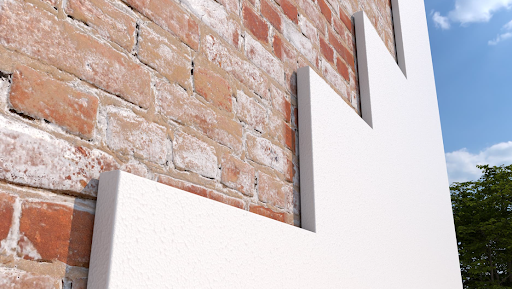
There is a quiet irony in construction. The materials that do the most unglamorous work — buried under slabs, tucked behind cladding, hidden beneath floors — tend to be the ones that define how a building actually performs. Extruded polystyrene sheets are exactly that kind of material. Nobody photographs them. Nobody talks about them at a handover. But pull them out of a specification and the consequences show up in energy bills, moisture damage, and failing membranes years down the track.
The Closed-Cell Difference
Not all foam insulation behaves the same way. Expanded polystyrene has an open-cell structure, meaning moisture can work its way in over time. Once that happens, thermal resistance drops. The board that looked good on paper starts underdelivering in practice. XPS is different because the extrusion process seals every cell. Water has nowhere to go. The board performs in wet conditions the same way it performs in dry ones, which matters a great deal in climates where condensation, flooding, and ground moisture are not edge cases but everyday realities.
Why Below-Grade Gets It Wrong
Extruded polystyrene sheets were designed for the conditions most insulation products quietly fail in. Below-grade applications — foundations, slabs, basement walls — combine sustained moisture exposure with significant compressive load. Specifying the wrong product here is a slow mistake. It does not announce itself immediately. The degradation builds over years until thermal bridging becomes visible in energy costs and remediation becomes expensive. XPS holds its shape and its thermal resistance under load. That combination is not common, and it is exactly why ground-contact applications call for it specifically.
Compressive Load and Real R-Value
Here is something worth understanding. When insulation compresses, it loses thickness. When it loses thickness, the effective R-value drops below what is printed on the packaging. Softer insulation products can carry impressive nominal ratings and still underperform in applications where load is a factor. XPS resists deformation, so the thickness on installation day is roughly the thickness ten years later. The R-value holds. That consistency is what makes it worth specifying on projects where performance needs to last, not just pass inspection.
Roofing: The Overlooked Application
Most people picture walls and floors when rigid insulation comes up. Inverted roofing systems are worth knowing about. In that assembly, the insulation sits above the waterproofing membrane rather than below it. It faces direct weather, UV, and temperature swings every single day. Thermal shock is one of the primary reasons commercial waterproofing membranes fail early. Extruded polystyrene sheets absorb that stress. They buffer the membrane from the worst of those temperature swings, extending its service life considerably — a benefit that rarely appears in the initial cost conversation but always appears in the maintenance one.
Retrofitting Older Homes
Older Australian homes were built with little thought given to underfloor insulation. What was installed decades ago has often settled, compressed, or become a pest habitat. Replacing it with rigid XPS boards is cleaner than most owners expect. The boards fit between joists without a cavity requirement, do not sag over time, and resist the moisture that tends to accumulate in subfloor spaces. There is no maintenance cycle. Once installed correctly, they are simply there, doing their job quietly for the life of the building.
Durability Without Fuss
Some materials ask for maintenance. XPS does not. It does not rot. It does not harbour mould in appropriate applications. It does not compress permanently under normal building loads. For anyone thinking about what a building costs to run rather than just to build, that kind of quiet reliability adds up significantly over time.
Conclusion
Insulation decisions made early in a project are hard to reverse later. That is why extruded polystyrene sheets deserve more attention than they typically receive. They are not a premium upgrade or a niche product. They are a practical answer to conditions that most buildings face — moisture, load, temperature movement, and time. Specify them where they belong, install them properly, and they will keep performing long after other choices have started showing their age.
