
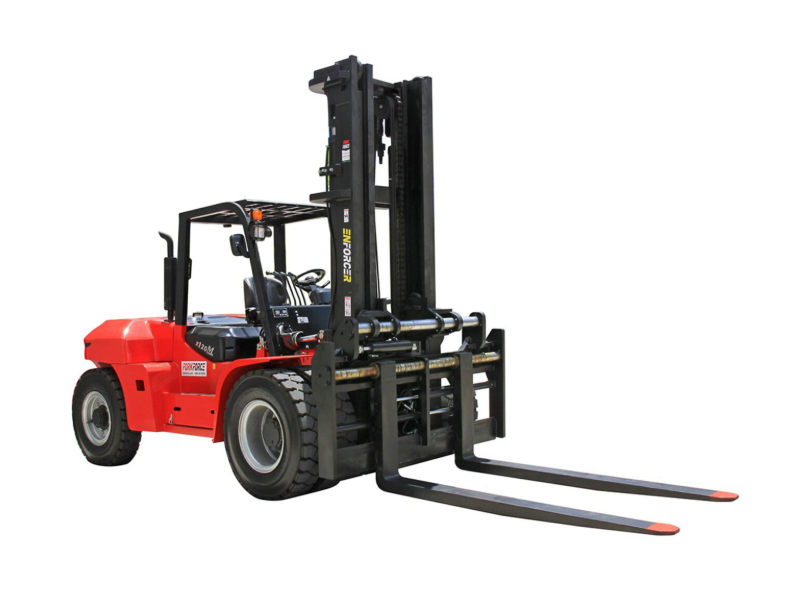
Melbourne’s industrial corridors are unforgiving. A missed delivery window in Dandenong South, a stalled production line in Campbellfield, a loading dock bottleneck in Port Melbourne — these are not abstract risks. Businesses that buy forklift in Melbourne make equipment decisions that either protect their output or quietly erode it, and the forklift sits right at the centre of that calculation. Most operators underestimate how much the sourcing decision itself shapes everything that comes after.
Local Dealers Carry Accountability
There is something specific that happens when a supplier operates in the same market as their customer. Reputation travels. A Melbourne dealer who cuts corners on a pre-delivery inspection does not just lose one client — they lose the referral network that client sits inside. That social pressure does not exist when purchasing through distant or unverified channels. The machine arrives, the transaction closes, and any problems become entirely the buyer’s burden. Local accountability is not just a soft advantage. It structurally changes the incentives of everyone involved in the sale.
WorkSafe Compliance Has Teeth
Victorian workplaces operate under WorkSafe requirements that carry genuine penalties for non-compliance — not warnings, but enforceable consequences. A forklift sourced through a supplier unfamiliar with Victorian standards can arrive technically legal elsewhere but non-compliant here. Emissions thresholds, load capacity documentation, operator restraint systems — these specifics vary by jurisdiction. Melbourne dealers who service the Victorian market daily build compliance into their standard process. That is not something to negotiate separately or verify after delivery.
Pre-Purchase Inspections Are Only as Good as the Inspector
When businesses buy forklift in Melbourne through established local dealers, the inspection process carries weight because the inspector has something to lose. A dealer with a decade of relationships in the Laverton industrial precinct is not going to rush a safety check. Compare that to a private sale or an interstate transaction where the seller’s only obligation ends at handover. The difference between a thorough inspection and a cursory one does not show up on the invoice. It shows up three months later when something fails under load.
Downtime Arithmetic Is Brutal
The actual damage from forklift downtime is almost always worse than the initial estimate. It is not just the repair bill. It is the labour standing idle, the dispatch schedule backed up, the wholesale customer who quietly starts looking at alternatives after the third late shipment. Melbourne suppliers with local service infrastructure change this equation meaningfully. A technician reachable within hours is a fundamentally different asset than a support line that routes through a national call centre with a multi-day parts lead time.
Machine Matching Matters More Than Price
A reach truck placed in a yard application will struggle. A counterbalance machine in a narrow-aisle warehouse creates risk. These mismatches happen regularly when purchasing decisions are driven purely by availability rather than application. When operators buy forklift in Melbourne from dealers who stock genuine variety and ask the right operational questions upfront, the result is a machine that fits the actual workflow — not one that the team quietly learns to work around because nobody asked about turning radius before signing.
Fleet Lifecycle Thinking Changes the Maths
Businesses that treat forklift acquisition as a one-time transaction rather than a lifecycle decision consistently overpay across time. Local dealers offer service agreements, maintenance scheduling, and upgrade pathways that make the total cost of ownership genuinely manageable. The machine purchased today sits inside a longer relationship. That relationship determines parts availability, response times, and trade-in value years down the track — none of which appears on the original purchase documentation but all of which affects the bottom line.
Second-Hand Market Rewards Provenance
Clean documentation, traceable service history, and a recognisable supplying dealer make a meaningful difference when a forklift re-enters the market. Buyers in Melbourne’s second-hand equipment space are experienced. They ask questions. A machine with a credible local history moves faster and holds value better than equivalent equipment with gaps in its paper trail.
Conclusion
The decision to buy forklift in Melbourne through a trusted local dealer is one that pays returns well beyond the initial transaction. Compliance, accountability, service proximity, and resale value are not abstract considerations — they are operational realities that surface quickly in a demanding industrial environment. Melbourne businesses that source equipment carelessly tend to discover the true cost of that decision at the worst possible moment. The smarter operators do not wait to find out.
