
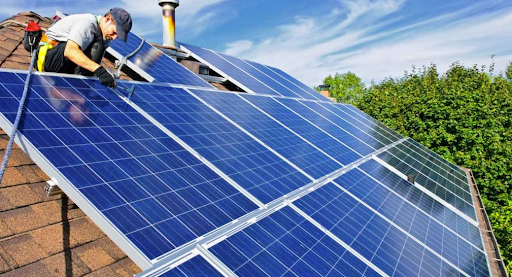
Most households that go solar focus entirely on the panels. That is understandable — they are the visible part of the system. But the panels are actually the least complicated decision in the whole process. Solar panels in Australia perform well across almost every climate zone in the country. What determines whether an installation delivers what it promises over the long term has very little to do with the panels themselves, and almost everything to do with decisions most people barely consider before signing a contract.
Inverters Fail First
Ask any experienced solar installer what component causes the most callbacks and the answer is almost always the inverter, not the panels. The inverter converts direct current from the panels into usable alternating current for the home. It runs hard every daylight hour, often in a hot roof cavity or on a sun-exposed wall. String inverters — the most common type — mean a single unit is handling the output of every panel on the roof. When it goes down, the entire system stops producing. Microinverters and DC optimisers distribute that workload panel by panel, which changes both the failure risk and the performance profile of the whole system. Most sales conversations skip this entirely.
Shading Kills More Systems Than Bad Weather
A single shaded panel in a string configuration drags down the output of every panel connected to it. Not just its own output — all of them. A neighbour’s new extension, a tree that has grown taller than expected, even a television antenna casting a thin shadow across one corner of a panel at certain times of day — these are the things that quietly erode system performance for years without triggering any obvious fault. A shading analysis done before installation, not after, changes how a system gets designed and where panels get placed.
North-Facing Is Not Always Right
Solar panels in Australia are almost universally recommended for north-facing roofs, and for peak midday output that advice holds. But peak midday output is not always what a household actually needs. A family that uses most of its energy in the early morning and again after five in the evening may extract more practical value from an east-west split — panels on both sides of the roof generating across a broader window of the day rather than spiking at noon when nobody is home. The right orientation depends on consumption patterns, not just compass direction.
Feed-In Tariffs Reward the Wrong Behaviour
Exporting surplus solar energy back to the grid earns a feed-in tariff, but the rate households receive for exported energy is now considerably lower than what they pay to import grid electricity. This gap means that every kilowatt-hour exported is a missed opportunity compared to one consumed directly. Yet most households with solar still run dishwashers, washing machines, and pool pumps after dark out of habit. Shifting those loads to run during peak generation hours — without spending anything on batteries — is one of the most straightforward and most overlooked ways to improve what a solar system actually delivers.
Degradation Is Slow but Real
Solar panels lose a small amount of output each year as the photovoltaic cells age. Reputable manufacturers publish degradation rate warranties. Budget panels from less established brands often carry weaker guarantees on this figure, and the difference compounds quietly across a decade of operation. Australian rooftops also run significantly hotter than the standard test conditions panels are rated under, and heat accelerates degradation. A panel’s rated output and its actual long-term output in a hot Australian climate are not the same number.
The Installer Outlasts the Sale
When you buy a system you need to think about the company that is installing it. If the company goes out of business they will not be able to fix any problems you have with your system. There have been solar companies that have started and stopped operating in Australia leaving their customers without any support. Just because a company has accreditation from the Clean Energy Council it does not mean they will be forever. You need to check how long the company has been in business if they have people who can fix problems in your area and what they will do if something goes wrong with your system.
Batteries Need Their Own Assessment
Storage is increasingly framed as the obvious next step after panels, and for some households it genuinely is. For others, the consumption pattern does not justify it yet. A household that is home during the day, running appliances through peak solar hours, may extract far less value from a battery than one that is empty all day and draws heavily from the grid each evening. Batteries make sense when there is consistent surplus generation that would otherwise be exported at low feed-in rates. Without that surplus, the battery has nothing useful to store.
Conclusion
The decisions you make before you even install your solar panels will affect how well your system works over time. This includes what type of inverter you use if you do a shading analysis, which direction your panels face who installs your system and if you need a battery. Solar panels in Australia are known for working but it is the other decisions you make that will determine if your system works well or not. If you make the decisions your solar system will work well for many years.
