
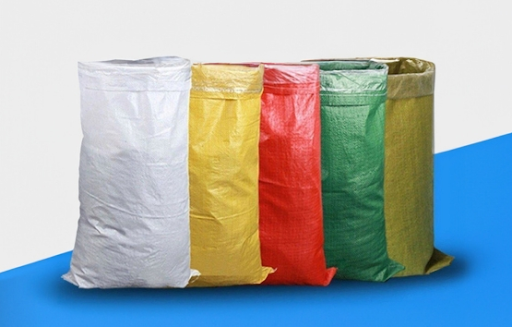
Walk through any working warehouse in Australia, and the same bag turns up everywhere. Feed mills, fertiliser sheds, grain storage, and construction sites—the material is consistent even when everything else changes. Poly woven bags have spread across industries, not because of clever marketing but because operations that tried them stopped looking for alternatives. That kind of quiet dominance is worth understanding, especially for businesses still relying on packaging that creates more problems than it solves.
Heat Does Strange Things to Packaging
Most people think about packaging failing from impact or moisture. Temperature is the overlooked one. In Australian summers, warehouses and transport containers routinely reach temperatures that soften adhesives, warp cardboard, and cause plastic films to contract or split. Polypropylene woven fabric handles heat differently. The material doesn’t become brittle in cold storage or go soft in the back of a truck sitting in direct sun. For businesses moving product across climatic zones – and in Australia, that distance can involve dramatic temperature swings – this thermal stability matters in ways that only become obvious after cheaper packaging has already failed.
The Fill Speed Problem
Packaging choice directly affects how fast a packing line runs. This connection rarely gets made until a business starts losing time. Bags that are inconsistent in shape, that collapse before filling, or that require extra handling to seal properly slow everything down. Poly woven bags hold their structure during filling because the woven construction maintains the bag’s form under its weight. Valve-top designs allow automated filling with minimal spillage and no manual closure step. On high-volume lines, that mechanical compatibility translates into real output differences over a shift — not theoretical ones.
What Happens After the Seal
The journey from packing floor to end customer involves more contact points than most suppliers account for. Palletising, loading, unloading, forklift tines, conveyor belts, stacking pressure from bags above — each of these is an opportunity for packaging to fail. Cardboard compresses. Thin plastic bags puncture. Woven polypropylene absorbs these forces across the interlocked structure rather than concentrating stress at weak points. Woven poly bags loaded onto a pallet and shrink-wrapped for transit arrive looking the same as when they left. That consistency reduces customer complaints, return freight, and the kind of product damage that never fully shows up in a single line item but quietly erodes margin over time.
Printing as a Functional Tool
Most packaging print discussions focus on branding. The more practical conversation is about information retention. In agricultural and industrial supply chains, bags carry handling instructions, product specifications, weight declarations, and compliance information that needs to remain legible through storage and transport. Laminated woven bags hold print through conditions that destroy paper labels and cause inkjet coding to smear or fade. On a site where bags might sit in outdoor storage before use, or move through multiple hands before reaching the end user, print that survives the journey isn’t just good branding – it’s operationally important.
Where Standard Bags Quietly Fail
Packaging rarely traces back to a specific category of product damage. Slow moisture ingress into a grain bulk store. Subtle contamination from a bag that degraded in storage. Compaction damage from packaging that couldn’t support the stack weight. These failures accumulate quietly and get attributed to other causes. The shift to poly woven construction often eliminates them without anyone specifically connecting the improvement to the bag change. Businesses that track damage rates carefully tend to notice. Those who don’t often keep paying for packaging failures without realising the source.
Conclusion
Packaging decisions have a way of looking minor until they aren’t. A bag that works is invisible — the product arrives intact, lines run without interruption, and customers don’t call. Poly woven bags earn that invisibility through material properties that hold up where others don’t. The real case for them isn’t made in a product brochure. It’s made on a loading dock in forty-degree heat, or in a damage claim that doesn’t arrive, or in a packing line that finishes a shift ahead of schedule. That’s the argument that sticks.
