
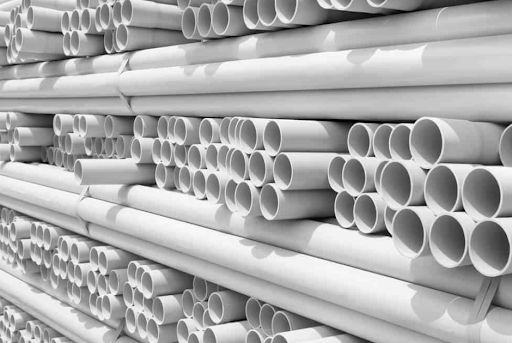
Walk through any building constructed in recent decades, and you are, quite literally, surrounded by PVC material — inside the walls, beneath the floors, and overhead in the ceiling cavities. Most people never think twice about it. That invisibility is arguably its greatest achievement. The material does not demand attention. It simply performs. But scratch beneath the surface, and there is a genuinely interesting story about why this particular substance has outlasted competitors, trends, and even its own controversies.
Outlasting Everything Around It
Timber framing gets replaced. Steel reinforcements need rust treatment. Concrete gets patched. Yet the original PVC pipework installed in those same buildings often remains completely intact throughout. It does not swell when water gets in. It does not oxidise. Soil acidity, which quietly destroys buried metal infrastructure over time, leaves it entirely unbothered. That kind of quiet, unglamorous endurance is genuinely rare in construction materials — and it is the main reason engineers keep specifying it decade after decade.
The Chemistry Nobody Talks About
What makes this material chemically resistant is not a coating or a treatment applied after manufacturing. The resistance is baked into the molecular structure itself. Chlorine atoms bonded within its polymer chain create a surface that most aggressive substances simply cannot get a grip on. Sulphuric acid, industrial solvents, bleach solutions — they slide off rather than react. Chemical processing plants specify it not as a budget choice, but as the technically correct one. That distinction matters more than most buyers realise when they are comparing options.
Rigid or Flexible — Same Material
This is the part that genuinely surprises people. The rigid profiles used in window frames and the soft, bendable tubing used in medical drips are both PVC. The difference comes entirely from plasticisers — compounds introduced during production that loosen the polymer chains and allow movement. Manufacturers can adjust flexibility with considerable precision, producing materials tuned to exact performance requirements. No other commonly available material offers that kind of engineered range within a single chemical identity. It is a versatility that competitors have struggled to replicate at a comparable scale.
Fire Behaviour Worth Understanding
The flame-retardant reputation of PVC material is often stated but rarely properly explained. The chlorine content — the same element that makes it chemically tough — interferes with the combustion process at a molecular level. When exposed to flame, it releases hydrogen chloride gas, which suppresses the fire’s ability to sustain itself. Electrical cable insulation made from this material slows fire propagation in ways that other common plastics simply do not. It is a specific, well-understood mechanism. Not a vague marketing claim dressed up in technical language, but a measurable, documented response that safety engineers rely upon.
Where Lightweight Actually Matters
People often underestimate the weight advantage of PVC material in everyday conversations. Its significance becomes clearest not in individual products but across large infrastructure projects. When considerable lengths of pipework need to be laid across a water treatment facility or urban drainage scheme, the weight difference compared to ductile iron or concrete alternatives affects crane requirements, labour hours, and installation timelines in ways that accumulate meaningfully. Engineers working at scale pay close attention to these factors. It drives enormous procurement decisions even though it rarely surfaces in consumer-facing discussions about the material.
Recycling Reality
The honest picture of PVC recycling is more complicated than either critics or advocates tend to admit. Mechanically recycling it is technically straightforward — the material reprocesses and reforms without significant quality loss. The difficulty has historically been collection and sorting, because mixed plastic waste streams make clean isolation genuinely hard. Dedicated collection schemes, particularly across parts of Europe, have shown that when sorted properly, reclaimed material performs comparably to virgin stock across a broad range of applications. Progress is real. But it requires deliberate infrastructure investment rather than happening as an automatic consequence of noble intentions.
Conclusion
What makes PVC material genuinely worth understanding is not simply that it is everywhere. Plenty of unremarkable things are everywhere. What is interesting is why it persists — across different industries, climates, and demanding applications — while alternatives repeatedly fall short or fade away. The flame chemistry, the molecular inertness, and the engineered flexibility range: none of these is accidental. They reflect materials shaped by decades of rigors real-world applications. Understanding those specifics, rather than just accepting the material’s ubiquity, leads to considerably sharper decisions in construction, manufacturing, and product design.
